Learn about OSHA 2026 updates including three current developments manufacturers should watch, and the practical steps safety leaders should take now.
If you work in manufacturing, OSHA 2026 updates are worth paying attention to. Over the past few weeks, the agency has highlighted three themes that matter directly to plant managers, operations leaders, EHS professionals, and safety consultants: heat hazard enforcement, stronger encouragement for proactive safety programs, and continued enforcement after serious incidents. Together, these developments offer a useful snapshot of what manufacturers should be prioritizing right now.
1) OSHA just updated its heat hazard emphasis program
On April 10, 2026, OSHA updated its National Emphasis Program for indoor and outdoor heat hazards. OSHA said the update is intended to focus inspections and outreach where heat stress risks are most likely to occur. That matters for manufacturing because heat exposure is not only an outdoor issue. Many industrial environments create significant indoor heat loads through ovens, furnaces, process equipment, poor ventilation, or seasonal temperature spikes.
This is an important reminder for manufacturers that heat safety should be built into day-to-day operations, not handled as a seasonal afterthought. Employers should be reviewing hydration access, rest break practices, acclimatization for new and returning workers, supervisor response protocols, and how quickly signs of heat stress are recognized and escalated. OSHA’s heat resources also continue to point employers toward planning, training, and emergency response as core parts of prevention.
2) OSHA is signaling that proactive safety programs matter
In March 2026, OSHA launched two initiatives that send a clear message: the agency wants employers to move beyond reactive compliance. On March 16, OSHA announced its Safety Champions Program, built around seven core elements such as management leadership, worker participation, hazard identification, training, and program evaluation. Two days later, OSHA announced its OSHA Cares initiative, describing it as an agency-wide effort focused on helping businesses meet requirements while building stronger safety and health programs.
For small and mid-sized manufacturers, this is a useful shift to pay attention to. OSHA is still an enforcement agency, but it is also putting visible weight behind compliance assistance, program structure, and prevention. That means companies that can show documented procedures, active training, hazard assessments, corrective action tracking, and management involvement are in a better position than employers who rely on informal practices or tribal knowledge.
3) Manufacturing incidents are still driving citations
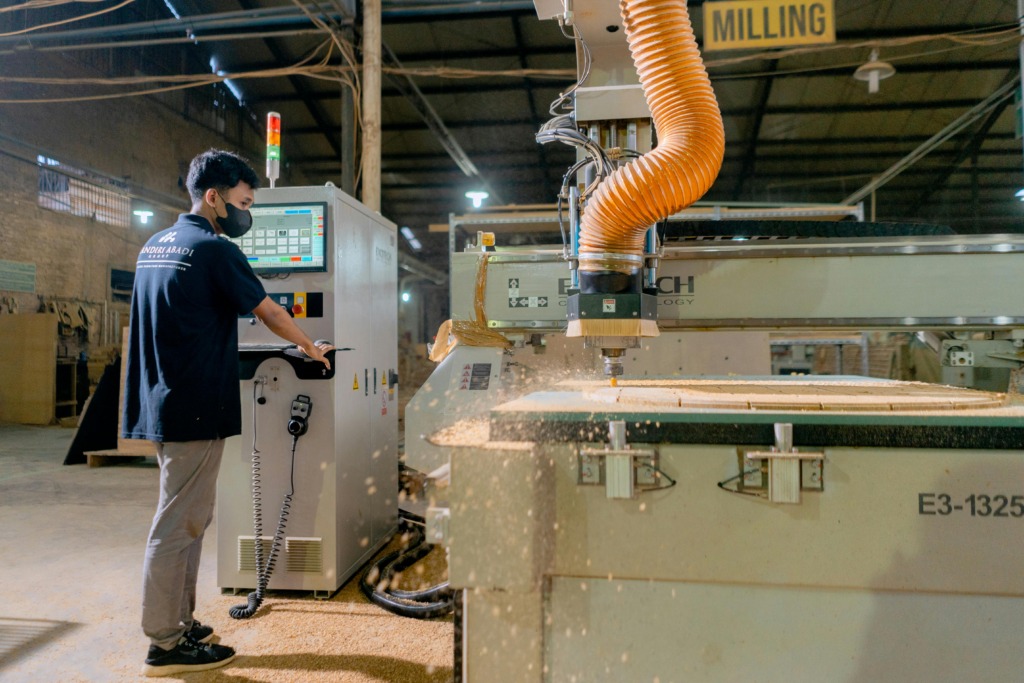
Recent enforcement activity shows how quickly preventable issues can turn into serious injuries, citations, and operational disruption. On March 16, OSHA cited a Midwest commercial bakery after a worker suffered a broken arm while clearing dough from a machine on the production line. On March 18, OSHA cited a Wisconsin beauty products manufacturer after an explosion involving nitrocellulose and flammable liquids. These cases are different, but both reinforce the same point: machine safety, hazardous materials controls, and disciplined procedures are still fundamental risk areas in production environments.
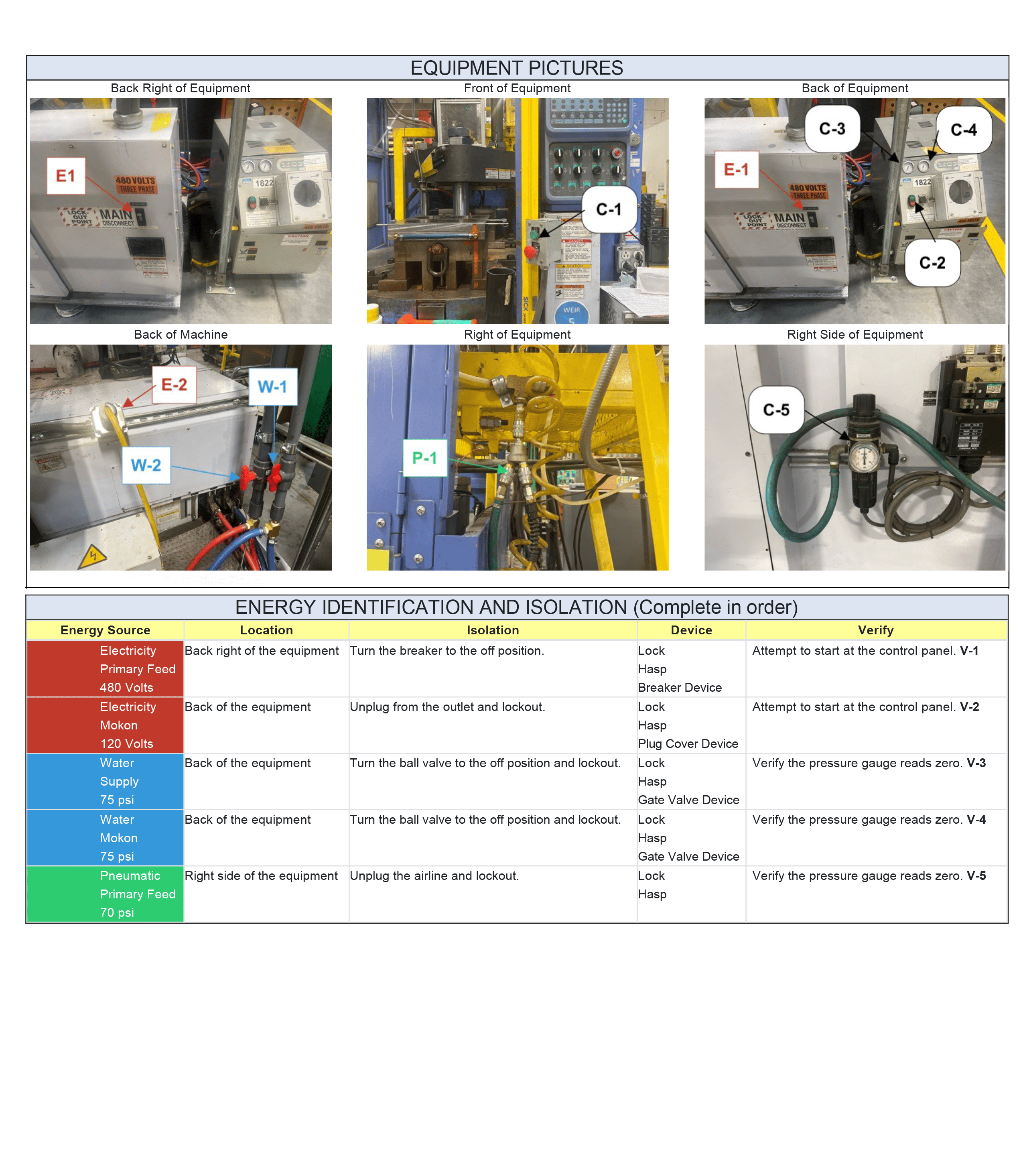
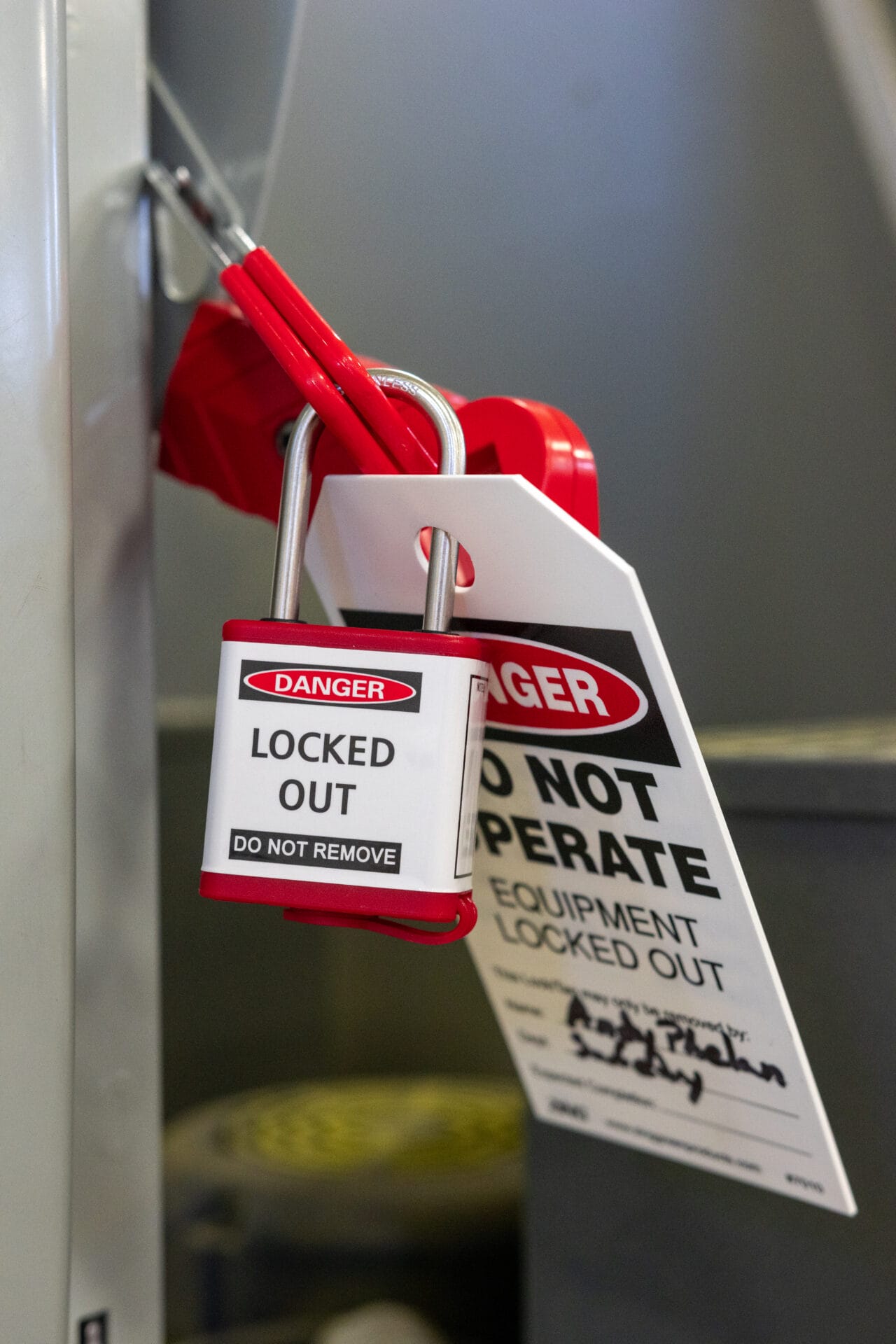
For manufacturers, those headlines should trigger a simple question: where are we still relying on people to “be careful” instead of engineering, procedures, training, and verification? Lockout/tagout, machine guarding, combustible or flammable material handling, preventive maintenance, and supervisor accountability all deserve another look when OSHA 2026 updates continue to spotlight severe but familiar hazards.
What manufacturers should do right now
A practical response does not have to be complicated. Start with a focused review of your biggest exposure points. In many facilities, that means checking heat plans for warm-weather operations and hot indoor processes, reviewing lockout/tagout practices on jam clearing and maintenance tasks, confirming machine guarding is intact, and making sure incident trends and near misses are actually being used to drive corrective actions. OSHA 2026 updates suggest those are exactly the kinds of basics the agency expects employers to manage well.
This is also a good time to refresh documentation and training. If your written programs have not been updated recently, if supervisors have inconsistent expectations, or if new hires are learning procedures informally from whoever is nearby, that is a warning sign. The employers that struggle most are often not the ones who know nothing about safety, but the ones who assume their program is stronger than it really is.
The bottom line about OSHA 2026 updates
The current OSHA picture in 2026 is not hard to read. The OSHA 2026 updates are emphasizing heat hazards more clearly, promoting structured safety programs more openly, and continuing to cite employers after serious, preventable incidents. For manufacturers, the takeaway is simple: now is the right time to close gaps before summer heat, production pressure, or a routine task turns into an injury, inspection, or expensive citation.
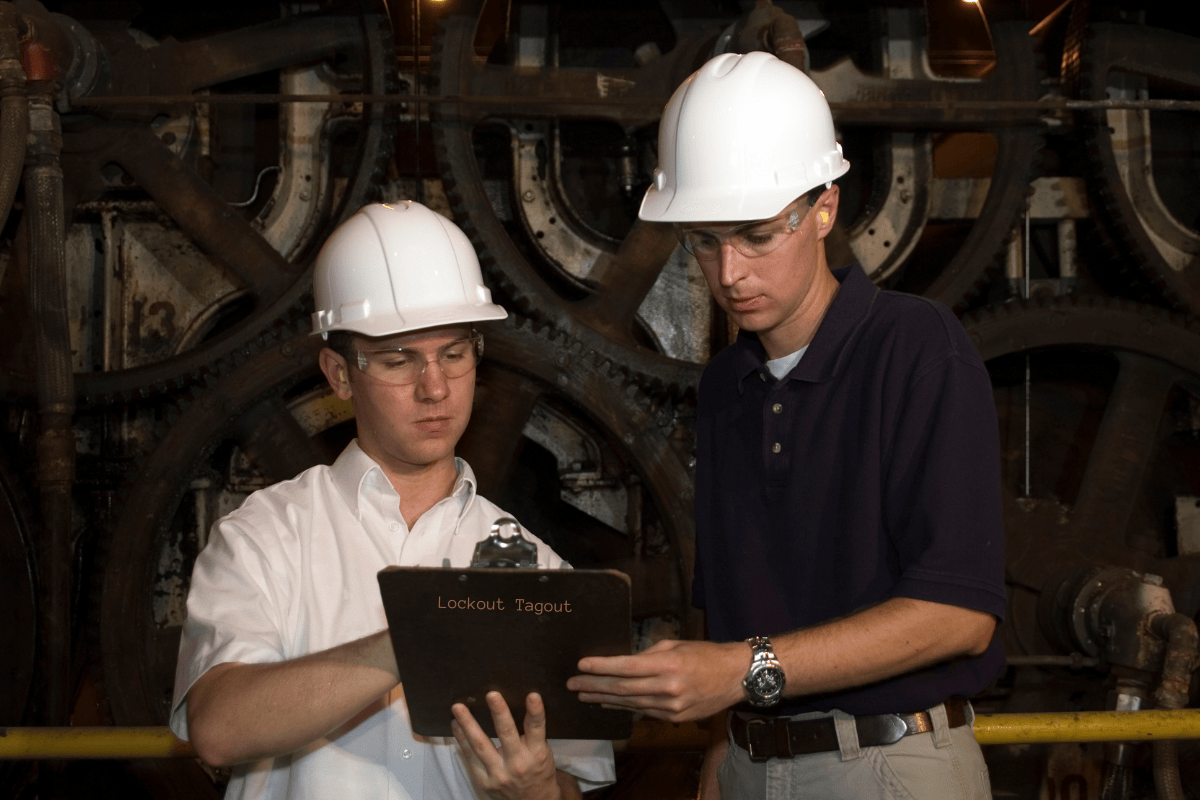
Need help assessing your lockout/tagout program, machine safety procedures, or overall OSHA readiness? Smart Safety Pro helps manufacturers identify gaps, strengthen programs, and turn compliance into safer day-to-day operations.