LOTO in the Plastics Industry: Protecting Workers in a High-Heat, High-Hazard Environment
In the plastics industry, equipment never really “rests.” Extruders, molders, grinders, and hydraulic systems operate at extreme temperatures and pressures for hours at a time. This high-energy environment makes Lockout/Tagout (LOTO)not just a regulatory requirement but a foundational layer of operational safety.
Yet many plastics processors—especially small and mid-size operations—continue to struggle with LOTO consistency. Whether it’s outdated paper procedures, tribal knowledge, or rushed maintenance cycles, one gap is all it takes for a severe injury or catastrophic equipment failure.
This article breaks down why LOTO in the plastics industry is uniquely critical, the hazards processors must control, and how modern digital LOTO systems can help standardize compliance across multiple machines and shifts.
Why LOTO is Essential in Plastics Manufacturing
Plastics processing equipment is powerful, complex, and continuously evolving. OSHA notes that proper lockout practices prevent tens of thousands of injuries every year, and plastics facilities are no exception.
The plastics environment amplifies energy-control risks due to:
This complexity increases the chance of missed steps when using paper-based procedures.
Common LOTO Failure Points in Plastics Operations
Safety audits for LOTO in plastics manufacturing frequently uncover the same recurring issues:
❌ Incomplete or Outdated Written LOTO Procedures
Machine modifications, retrofits, or replaced components often mean old paper procedures no longer reflect reality.
❌ Lack of Specificity for Different Molds, Tools, or Setups
Because tooling changes are routine, “one-size-fits-all” procedures don’t work and leave too much room for interpretation.
❌ Rushed Maintenance and Changeover
Tool changes are often on tight production deadlines—tempting operators to cut corners if LOTO is cumbersome.
❌ Inconsistent Training Across Shifts
High turnover and cross-functional job roles make consistent energy-control training a challenge.
❌ Poor Visibility Into Who Is Locked Out
Multiple technicians may work on the same press or line, but supervisors lack a clear overview of lock status.
High-Risk Equipment That Requires Strong LOTO Controls
Injection Molding Machines
-
Hydraulics store dangerous residual energy
-
Ejector systems can activate unexpectedly
-
Barrel heaters remain hot long after shutdown
Extruders
-
Rotating screws
-
Hot barrels and die heads
-
Gearboxes with mechanical energy retention
Blow Molding Machines
-
High-pressure air systems
-
Trapped energy in clamps and mold mechanisms
Granulators & Shredders
-
Flywheels continue spinning after power is removed
-
Blades create high severity hazards
Auxiliary Equipment
-
Dryers, chillers, conveyors, vacuum receivers, robots
Each machine type requires its own specific, documented LOTO procedure to ensure complete energy isolation.
The Case for Modernizing LOTO in the Plastics Industry
Traditional paper-based LOTO is slowing down many plastics plants—and in some cases contributing to violations.
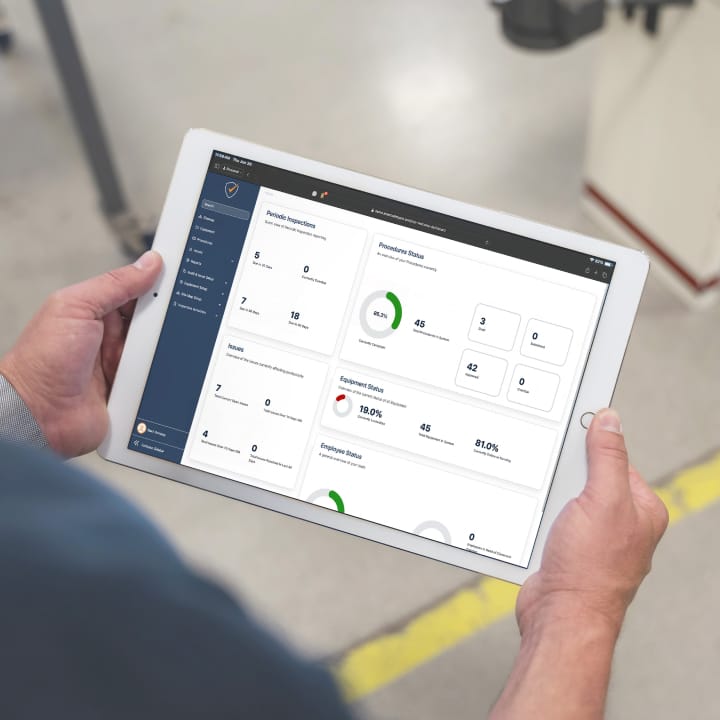
Modern lockout tagout software, like Smart Safety Pro, helps plastics manufacturers overcome their biggest LOTO challenges by offering:
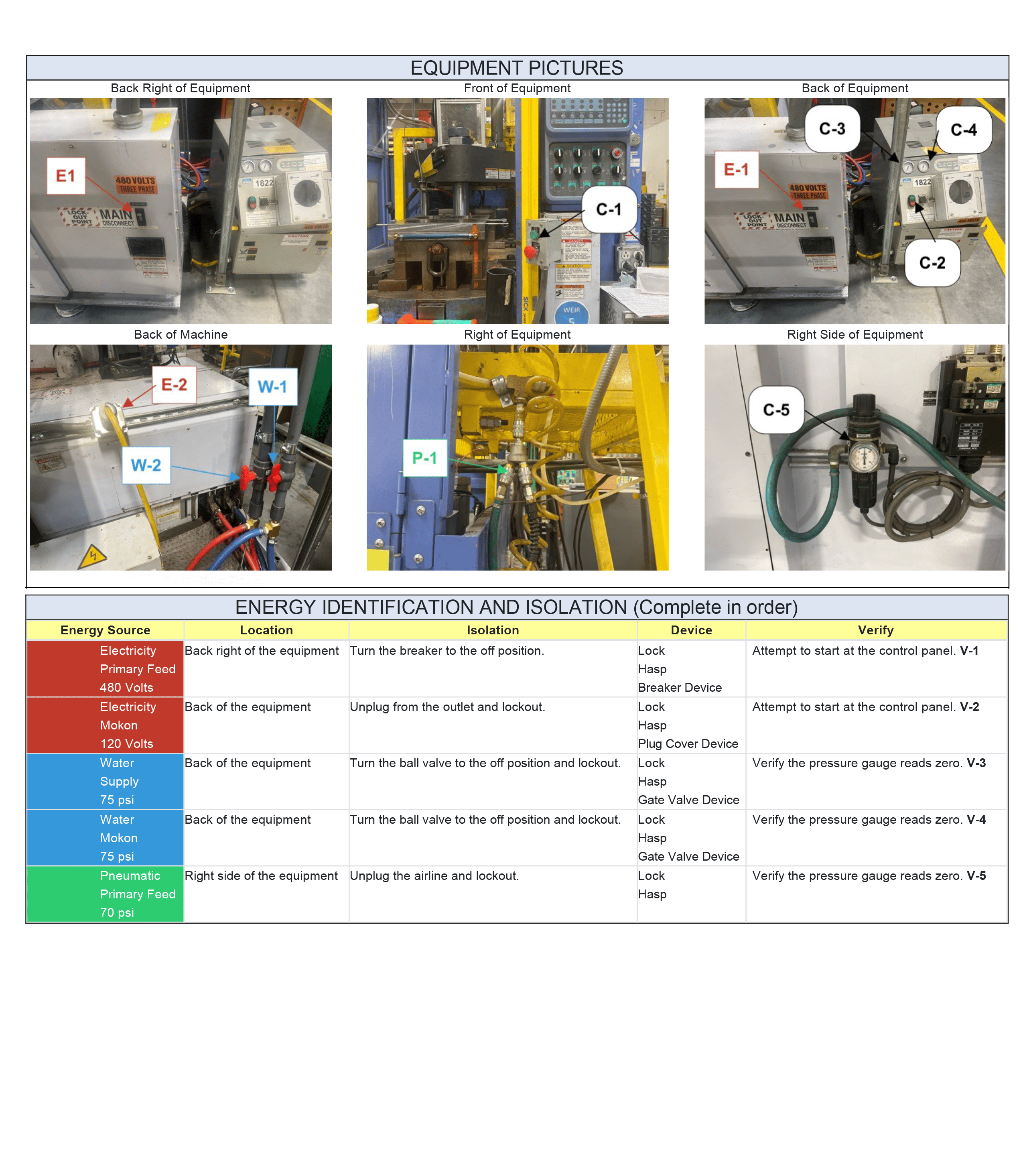
Digital, Machine-Specific Procedures
Update instantly across the facility when a machine or tooling setup changes.
Step-by-Step Visual Instructions
Reducing guesswork and eliminating tribal knowledge.
Verification and Sign-Off Tracking
Supervisors get real-time visibility into who is locked out and for what task.
Mobile Access on the Plant Floor
Technicians always have the latest procedures—no searching for binders or outdated PDFs.
Faster Audits and Compliance Reporting
Automatically generate LOTO audit trails for OSHA, ISO, and internal safety programs.
Standardized Procedures Across All Sites
Perfect for standardizing LOTO in plastics manufacturing for companies with multiple facilities or contract maintenance teams.
For an industry where rapid changeovers and complex equipment are the norm, digital LOTO is quickly becoming the safest and most efficient way to maintain compliance.
Conclusion: LOTO Is a Critical Part of Plastics Safety and Productivity
LOTO in the plastics industry is more than a regulatory requirement—it’s a safeguard against high-pressure equipment, thermal hazards, complex automation, and the fast-paced production environment.
Manufacturers who modernize their LOTO programs see:
-
Fewer safety incidents
-
Faster changeovers
-
Improved compliance
-
Higher operational reliability
Digital LOTO is the next step for plastics processors looking to scale safely and stay competitive in a demanding market.
Other Helpful Articles