
Learn what lockout tagout compliance means under OSHA, common violations inspectors cite, and how to stay audit-ready with better LOTO documentation and tracking.
Lockout tagout compliance is one of the most critical—and most frequently cited—areas of OSHA enforcement in industrial manufacturing. Despite its importance, many facilities struggle to maintain consistent compliance due to outdated procedures, poor documentation, and manual tracking systems.
This article breaks down what lockout tagout compliance really means, what OSHA expects to see during inspections, and how modern digital tools can help manufacturers and safety consultants maintain compliance every day—not just when an audit is coming.
What Lockout Tagout Compliance Means Under OSHA
Lockout tagout compliance refers to meeting the requirements of OSHA’s Control of Hazardous Energy standard 29 CFR 1910.147. The purpose of this standard is to prevent unexpected energization or startup of machines during servicing or maintenance.
To remain compliant, employers must have:
-
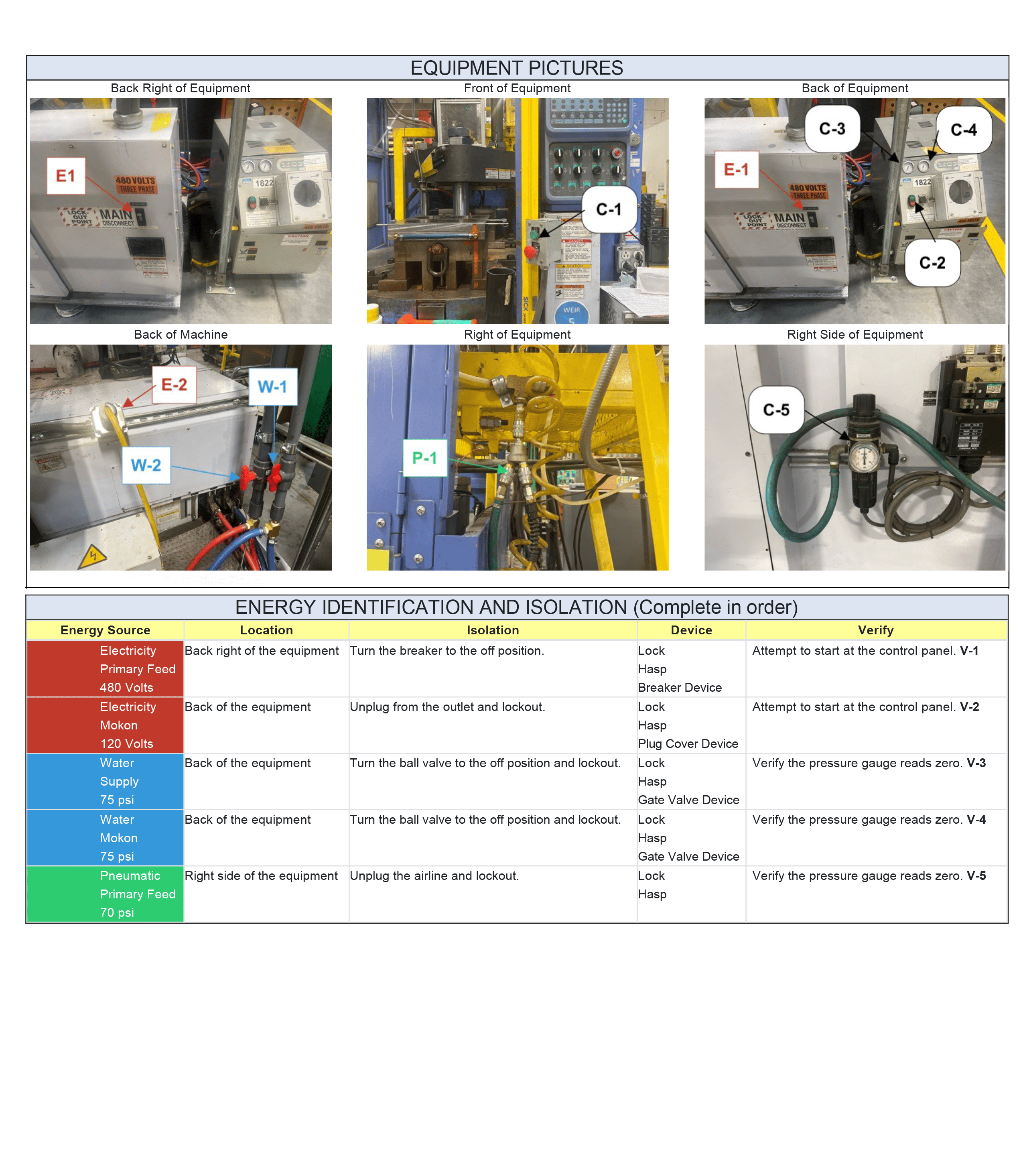
Written, machine-specific lockout tagout procedures
-
Properly identified energy sources
-
Authorized and affected employee training
-
Periodic inspections of LOTO procedures
-
Clear documentation showing procedures are followed
Failure in any of these areas can lead to serious citations, fines, or worse—injuries and fatalities.
Common Lockout Tagout Compliance Gaps OSHA Cites
Even well-intentioned safety programs often fall short in practice. Some of the most common lockout tagout compliance issues include:
-
Missing or outdated procedures for specific machines
-
Incomplete periodic inspections or lack of proof they were performed
-
No documentation showing who applied or removed locks
-
Inconsistent employee training records
-
Procedures not matching actual field conditions
Paper-based programs make these gaps harder to detect and correct before an OSHA inspection.
Lockout Tagout Compliance During an OSHA Inspection
During an inspection, OSHA doesn’t just ask if you have a lockout tagout program—they ask you to prove it’s being followed.
Inspectors commonly request:
-
Written lockout tagout procedures for specific equipment
-
Records of periodic inspections
-
Proof of authorized employee training
-
Evidence that procedures are reviewed and updated
-
Demonstration of how LOTO is performed in the field
Strong lockout tagout compliance depends on being able to produce this information quickly and accurately.
Why Paper-Based LOTO Programs Struggle with Compliance
Paper programs often look compliant on the surface but break down operationally. Common challenges include:
-
Lost or outdated procedures
-
Inspections that are performed but never documented
-
No audit trail linking employees to specific LOTO events
-
Difficulty identifying which inspections are overdue
-
Limited visibility into what actually happens on the factory floor
These gaps create risk, especially during audits or incident investigations.
How Digital Systems Improve Lockout Tagout Compliance
Modern digital LOTO systems address many of the weaknesses found in paper-based programs.
With a digital approach, lockout tagout compliance becomes easier to manage because:
-
Procedures are standardized and centrally controlled
-
Each lockout event is time-stamped and tied to an employee
-
Machine records automatically log LOTO activity
-
Periodic inspections are tracked and flagged when due
-
Photos and notes provide real-world context
Instead of relying on memory or paper binders, compliance data is always available and audit-ready.
Lockout Tagout Compliance as a Continuous Process
True lockout tagout compliance is not a one-time setup—it’s an ongoing process. Facilities that succeed treat LOTO as a living system that evolves with equipment changes, staffing updates, and operational improvements.
A strong compliance program includes:
-
Regular reviews of machine procedures
-
Continuous inspection tracking
-
Easy access to real-time documentation
-
Clear accountability for employees and supervisors
This approach not only reduces OSHA risk but also improves overall safety culture.
Final Thoughts on Lockout Tagout Compliance
Lockout tagout compliance is about more than avoiding citations—it’s about protecting workers and ensuring safe, predictable maintenance operations. Through understanding OSHA’s expectations and eliminating documentation gaps, manufacturers and safety consultants can maintain compliance with confidence.
Digital tools don’t replace good safety practices—but they make those practices easier to execute, verify, and improve over time.