Lockout tagout rules can vary by state OSHA plan. Learn the key state level LOTO differences, enforcement impacts, and how to stay compliant across jurisdictions.
When it comes to lockout/tagout (LOTO) compliance, many employers assume that OSHA’s federal standard (29 CFR 1910.147) is the only rule that matters nationwide. While this standard sets a baseline for controlling hazardous energy, state-level workplace safety programs can introduce important variations that safety managers and industrial maintenance teams need to understand.
Understanding these differences is essential to build a LOTO program that keeps workers safe and avoids costly citations — especially for companies operating in multiple states.
1. State Level LOTO Differences: The Big Picture
Federal OSHA sets the baseline for lockout/tagout enforcement across most of the U.S. under 29 CFR 1910.147, which requires employers to:
-
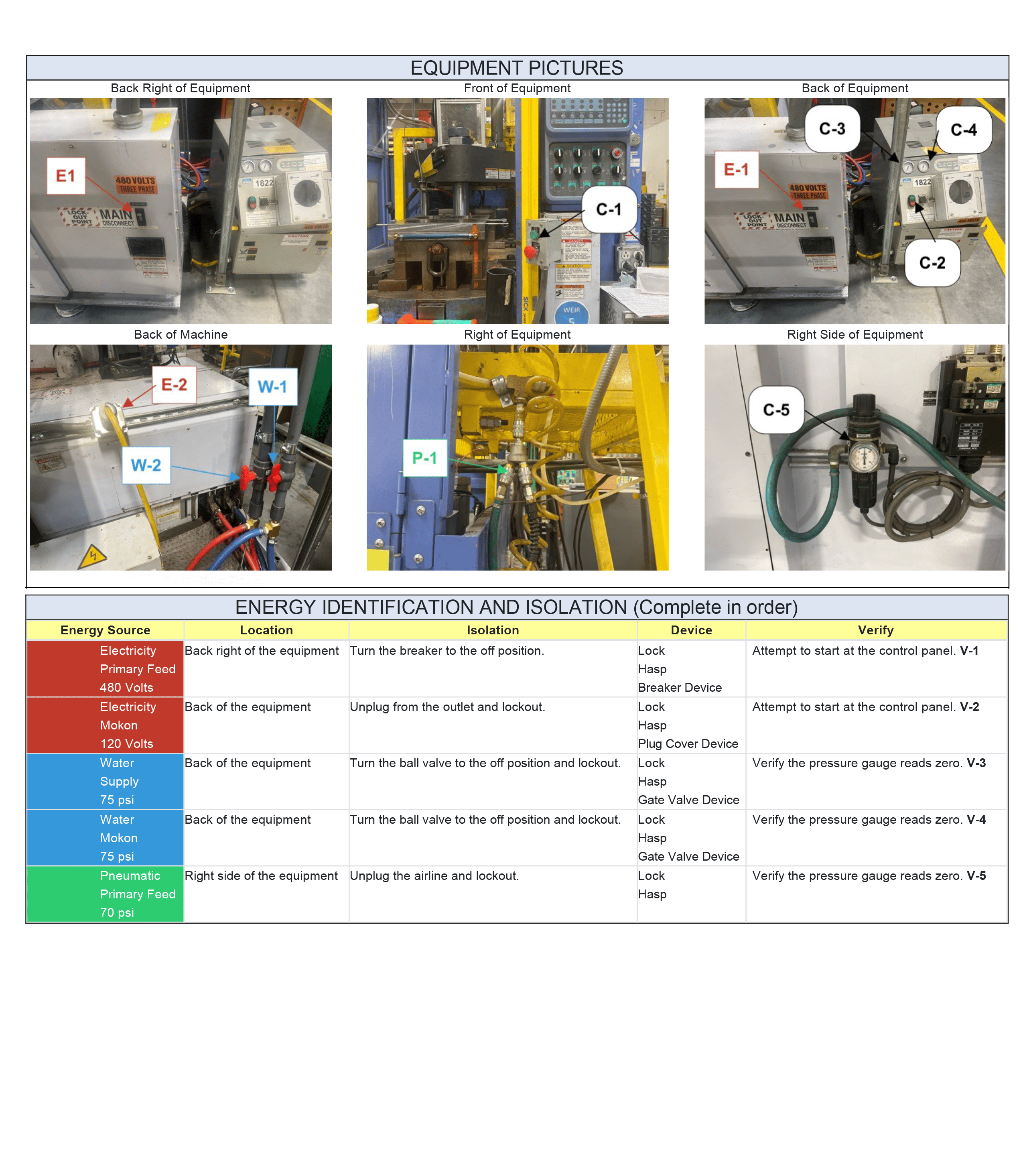
Establish and document energy control procedures
-
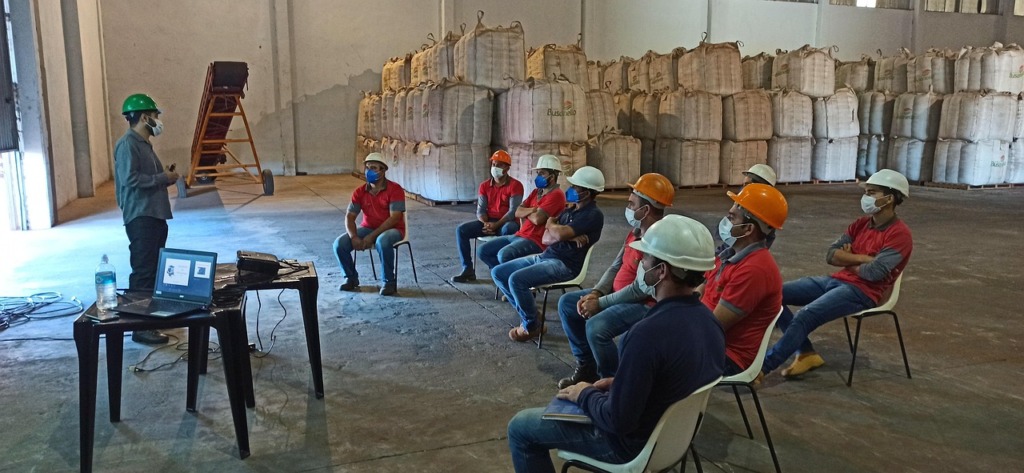
Train authorized and affected employees
-
Periodically inspect procedures for effectiveness
-
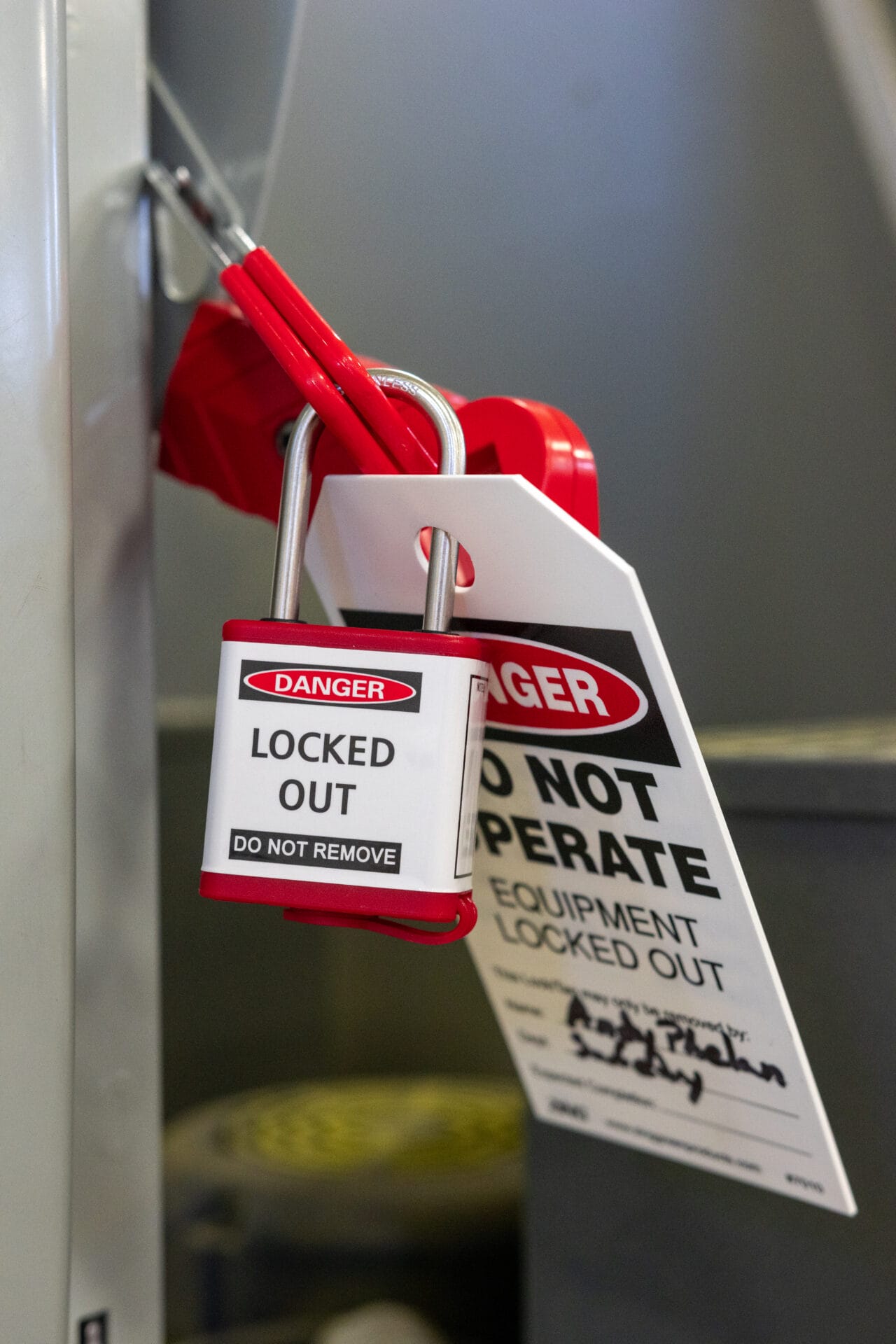
Use locks and tags to prevent accidental energy release during servicing or maintenance.
However, not all states rely exclusively on federal OSHA. Many states operate their own OSHA-approved safety programs — called State Plans — which must be at least as effective as the federal program but can include additional or stricter requirements.
2. How Many States Have Their Own OSHA Plans?
Currently:
-
22 states and U.S. territories have OSHA-approved State Plans that cover both private sector and government workers.
-
7 State Plans cover only state and local government employees.
-
In states without a State Plan, federal OSHA directly enforces safety standards, including LOTO.
This means that your legal obligations may differ depending on your operational location — even if the underlying principles of LOTO remain consistent.
3. What Makes State LOTO Rules Different?
State level LOTO plans generally must meet or exceed federal OSHA standards, but the ways they do this vary:
➤ More Stringent Requirements
Some states adopt additional procedural steps or more detailed training requirements than the federal standard. For example:
-
A state plan might require written verification forms for each authorized employee
-
Others may mandate refresher training at shorter intervals
These aren’t permitted to be less protective than the federal rules.
➤ Different Enforcement Emphasis
States such as California and Washington are known for higher citation rates and larger fines for hazardous energy violations compared with federal OSHA. State OSHA agencies often prioritize proactive inspections and may interpret procedural documentation more strictly. Understanding state level LOTO differences in states such as these are critical.
➤ Expanded Coverage Areas
Some state plans expand coverage beyond federal OSHA scope.
For example:
-
They may include certain public sector employees that federal OSHA does not cover
-
Additional recordkeeping or reporting requirements may apply
-
State-specific hazard communication or energy control documentation rules can overlay onto LOTO.
This makes jurisdictional awareness a foundational compliance step.
4. Practical Implications for LOTO Programs
Whether you operate in a federal OSHA state or a state plan jurisdiction, you need to be aware of state level LOTO differences.
Know your jurisdiction — Determine if your site is under federal OSHA or a State Plan.
Review state-specific regulations — Don’t assume federal guidance fully covers your requirements.
Document state differences in your LOTO procedures — If a state requires extra steps or forms, include those in your written program.
Train employees on both sets of standards — Awareness of state nuances may prevent violations and injuries.
5. Building a Multi-State Compliance Strategy
For companies operating across state lines, understanding state level LOTO differences is key.
-
Develop a baseline LOTO program based on 29 CFR 1910.147 (federal OSHA).
-
Layer state-specific requirements on top where applicable.
-
Use compliance checklists for each jurisdiction.
-
Conduct internal audits regularly to ensure alignment with both federal and state standards.
This hybrid compliance system reduces legal exposure and creates safer work environments.
6. Final Takeaways
-
State level LOTO plans exist to tailor safety enforcement to local needs and may impact lockout/tagout requirements.
-
If your workplace falls under a State Plan jurisdiction, you could face stricter rules and penalties for LOTO failures.
-
A strong LOTO program considers both the federal baseline and any relevant state standards.
Staying informed about state level LOTO differences isn’t just about compliance — it’s about protecting your workforce and strengthening your safety culture.
Want an easier way to manage LOTO?
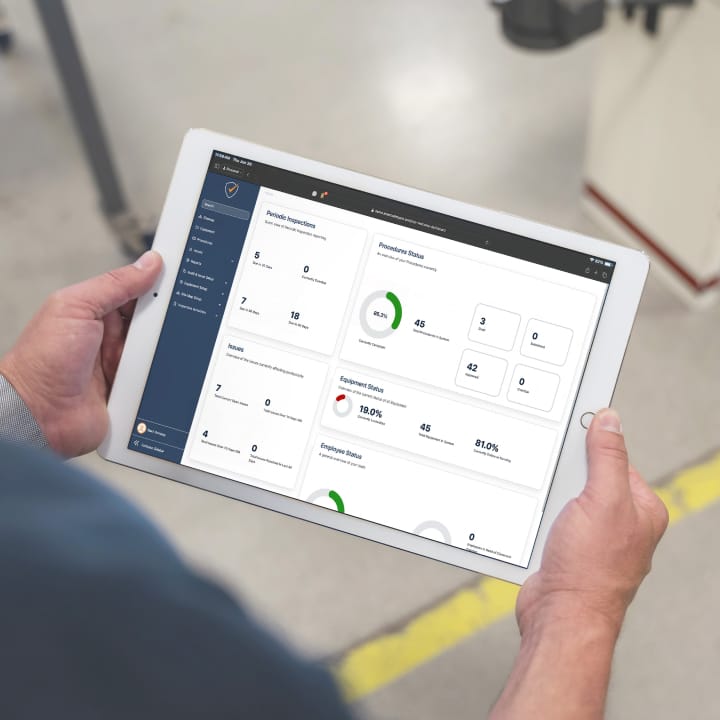
Smart Safety LOTO software offers an all-in-one, do-it-all lockout tagout management program. Easily meet federal and state level LOTO regulations with a streamline program that writes LOTO procedures in minutes, offers digital lockout on the plant floor, and manages periodic inspections and annual audits. With fully configurable mobile templates, equipment types, energy types, locking devices and more, the system is made to meet your needs.